Introduction to ICL Mainframe
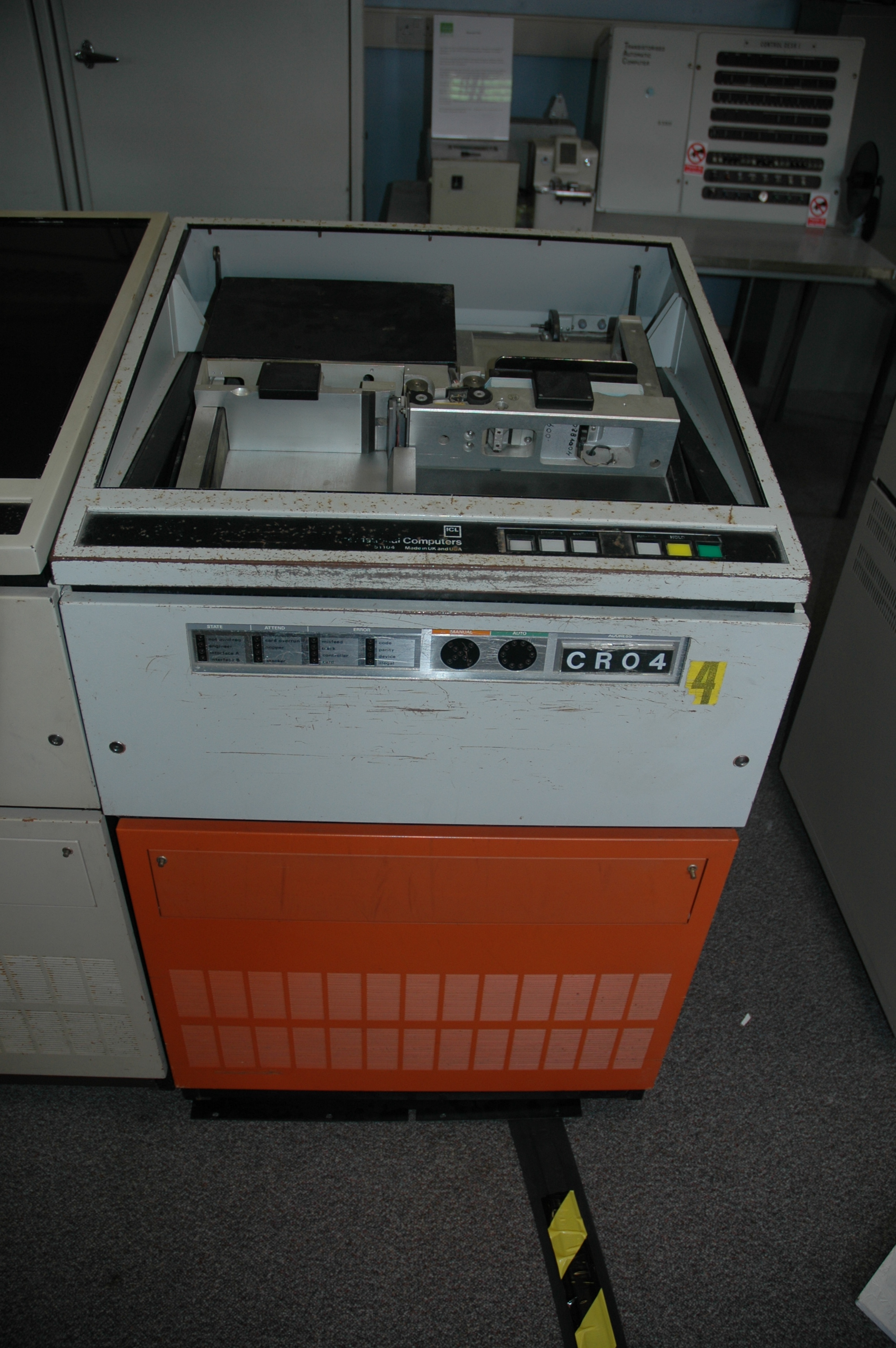
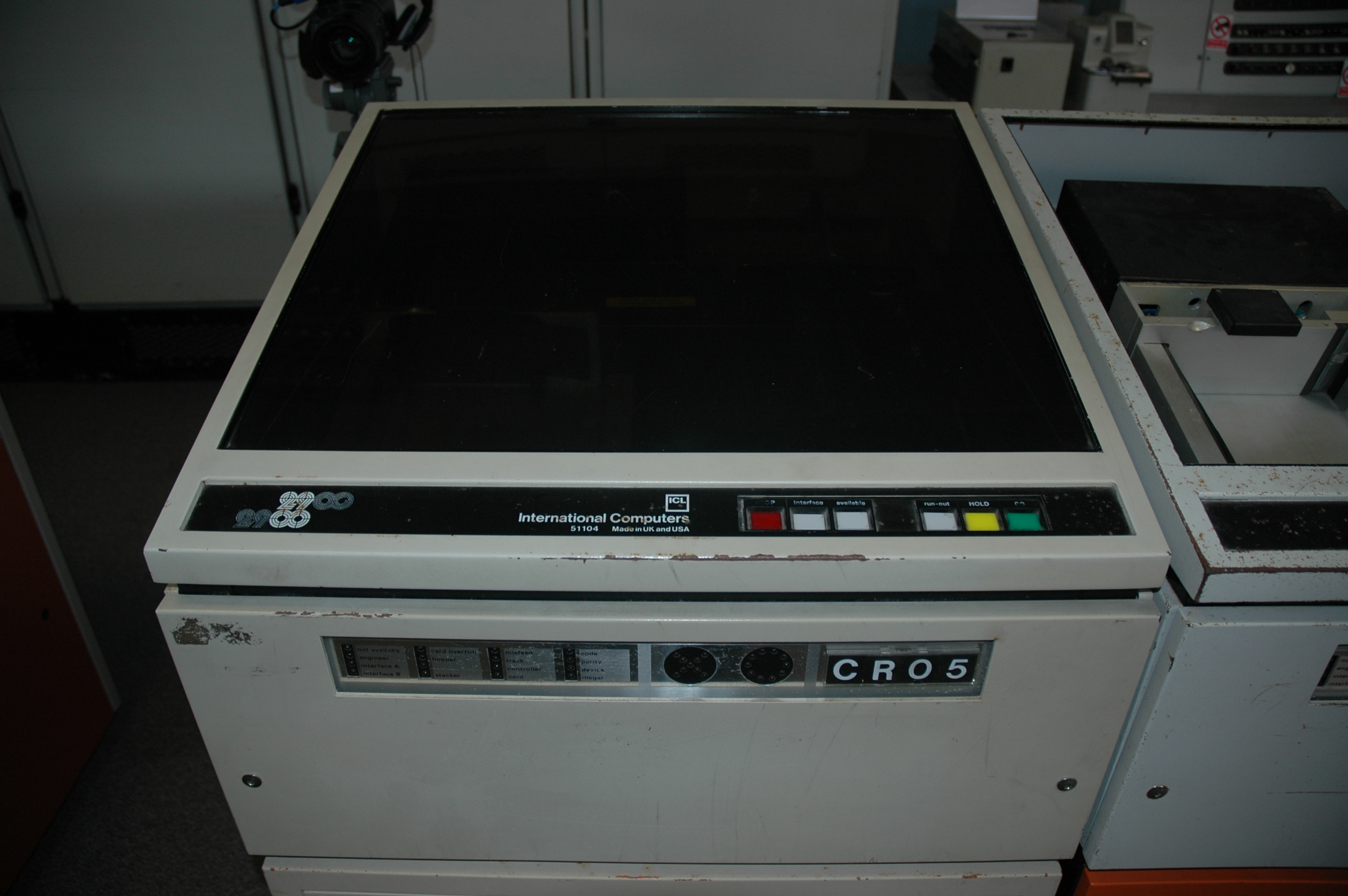
The ICL 2966 is a mainframe computer from the late 1980s and early 1990s. The one shown was used by a company called Tarmac to help run its road construction business. There are a large number of separate units, multiple RAM disc drives, a processor, input tape reader, output printer and magnetic tape drives for data backup. They fill a room.
Input
The computer had several terminals each of which would have been given a slice of processor time to run software programs for individual users. Most of the space is taken up by data backup storage. The five large cabinets are the central processor, the heart of the computer.
left

Input Terminals
Running time: 00:36
right
Storage
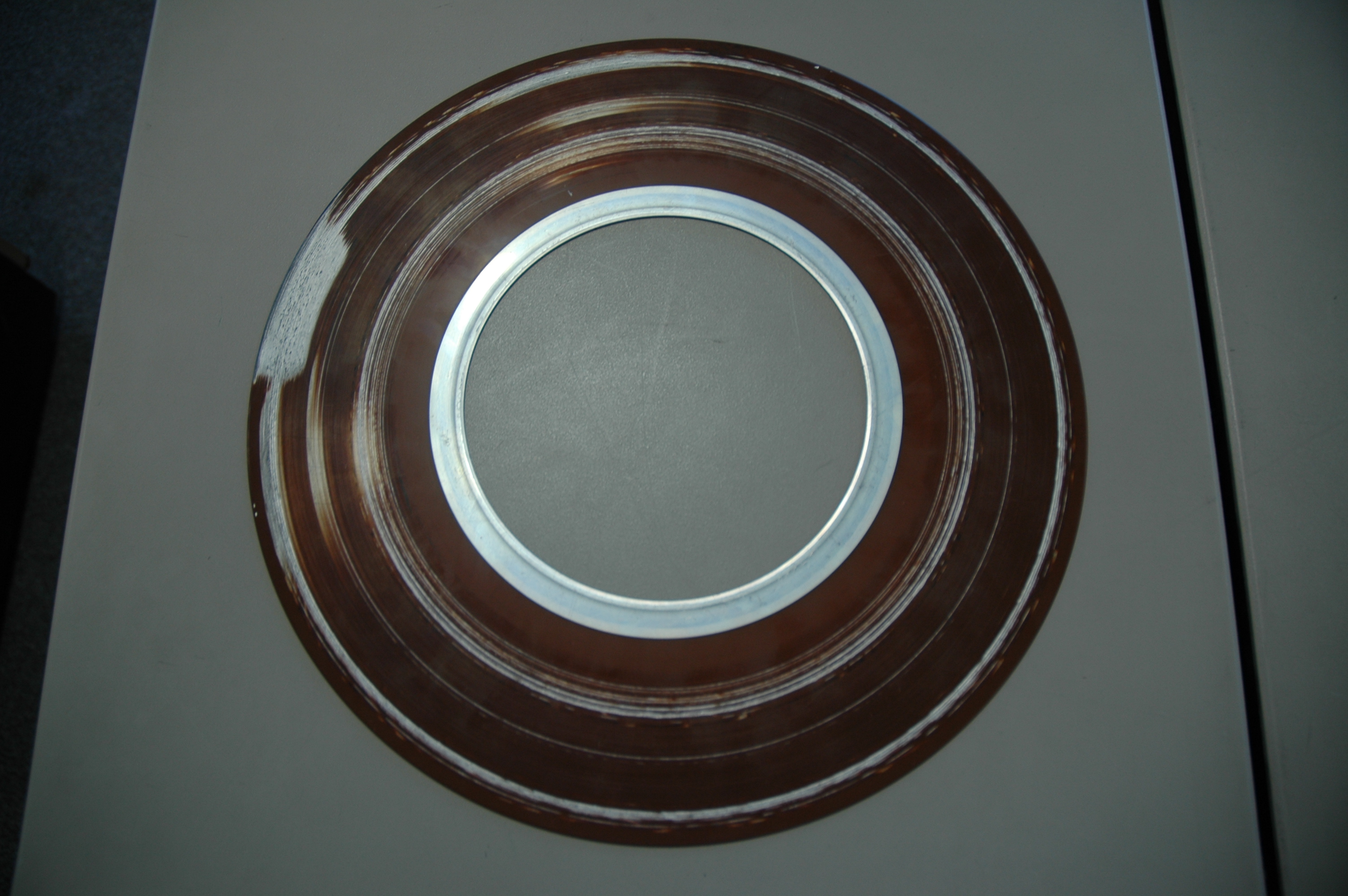
The total capacity of the storage of the main frame is about 7GB, about half the capacity of the smallest smartphone today. Some of the discs drives have removable disc packs that can be swapped in and out. Other discs are fixed and cannot be removed. The packs held business information such as customer data, inventory lists of items owned by the company, or financial data. Environmental control was important to keep the discs free from dust. Dust or debris on the magnetic surface of the discs ran the risk of crashing the read or write heads and damaging the disc surface where the data is stored. Scratching a disc destroys or corrupts data. The room was air-conditioned to keep the equipment cool, and operators wore white coats to reduce shedding dust. Although modern hard drives are smaller they still store data by changing the information on a magnetic surface. The principle has remained unchanged for over a half century.
Single Disc
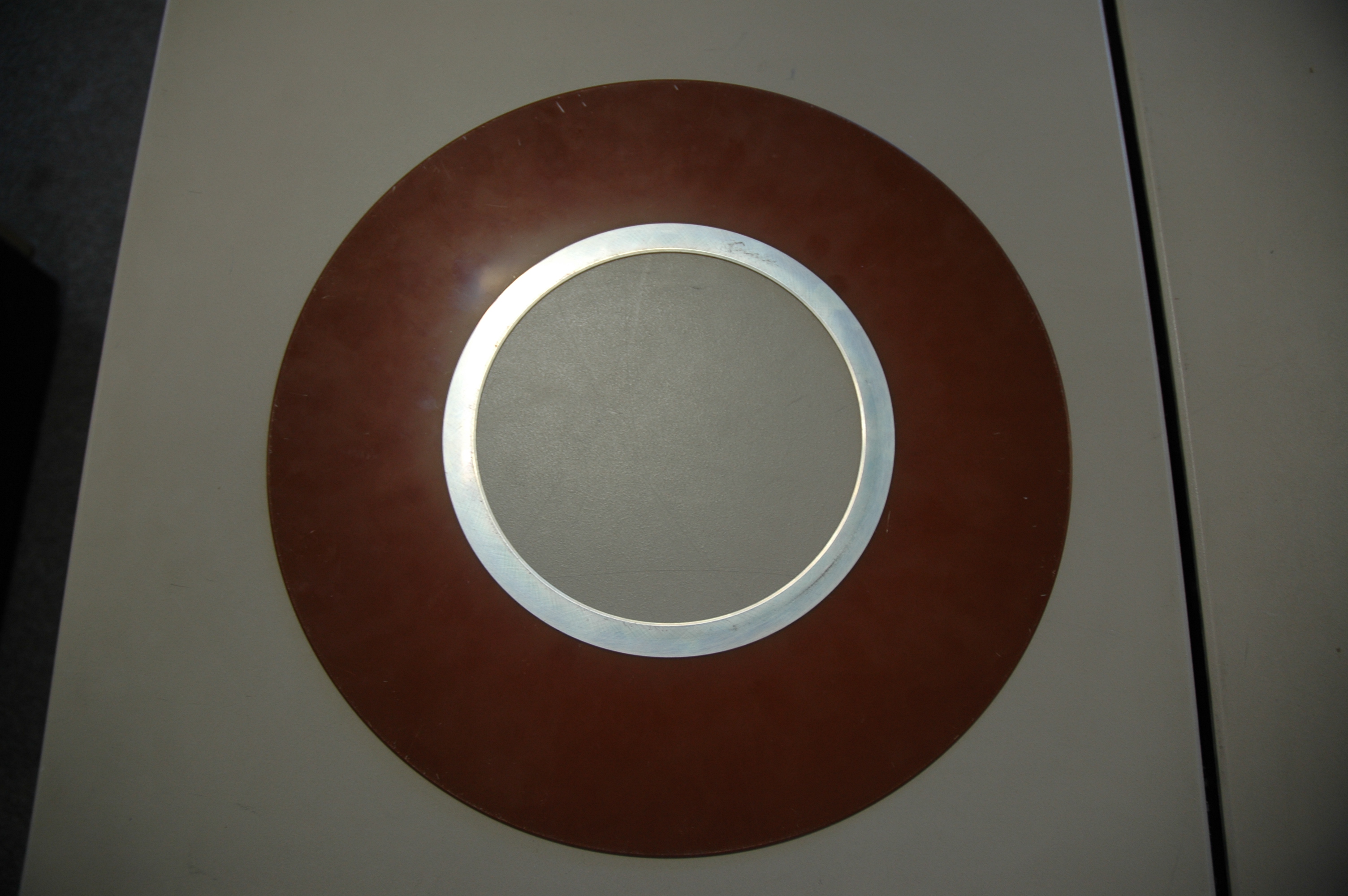
Storing data on discs started before the time of the ICL 2966. Early examples were very large devices. The large single storage discs are about 80cm diameter. They were mounted horizontally in a unit with about 18 to 20 discs in a vertical stack. They were very fast. The Elliott 803 for example, used magnetic tape for storage and accessed data in serial fashion, that is, by searching along the whole tape to find a particular piece of data. In contrast a particular piece of data on any part of these large discs could be accessed more directly and could be found in under 0.1 seconds. The discs held about 4 MB of data. This would correspond to thousands of text or numerical records such as customer lists or stock inventory. Images take up much more storage and each side of the disc would hold only one modern digital photograph.
left

Storage
Running time: 02:04

Storage Single Disc
Running time: 00:41
right